2015年10月22日 星期四

新生兒食用花生 可降低過敏風險

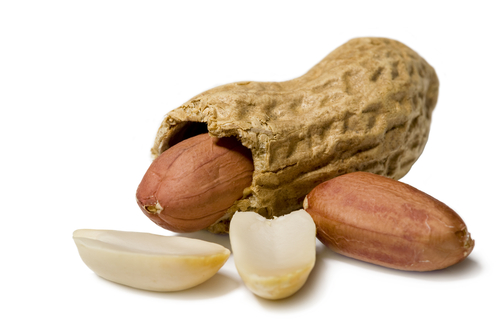
父母常會詢問是否該讓他們的孩子食用花生製品,對於這個問題的答案常莫衷一是。然而《新英格蘭醫學》期刊(The New England Journal of Medicine)近來發表一篇研究,指出在新生兒早期食用花生製品將可有效降低花生過敏風險。

研究人員挑選4~11月大且具有對花生過敏高風險的新生兒,將他們隨機分派至兩個組別,一組定時食用含有花生成分的食品;一組則完全不食用任何花生製品,這項實驗持續進行至孩童五歲大後測試過敏反應,發現定時食用花生製品的孩童組別對花生較不易過敏。英國倫敦國王學院萊克教授(Dr. Gideon Lack)談到,防止新生兒攝取花生製品可能會提高過敏風險。

美國兒科學會(The American Academy of Pediatrics)曾於2000年所發表的指導方針中建議,孩童在滿三歲前都不應食用花生以避免產生過敏反應。但2008年時,此學會改變立場,闡述目前並無有力的證據顯示——避免新生兒食用特定食品能夠幫助防止過敏發生。

萊克教授與其同事曾於2008年發表一篇論文,發現以色列孩童對花生過敏的比率只有英國猶太孩童的十分之一。他們得到的最佳解釋為,以色列孩童在滿一歲以前食用了較多的花生蛋白質,然而英國父母則避免了相關食物的攝取。其他研究也發現早期食用會引發過敏的食物可能會降低過敏風險。但是這一類的觀察報告並不十分可靠,原因是有可能仍存在其他不明因素而導致了結果上的差異。

然而這次的研究採用隨機抽樣,使兩組孩童間唯一的差別在於是否食用含有花生蛋白質的製品。此研究在美國國家衛生研究院與其他組織監督下,在實驗進行前,這些4~11個月大的新生兒已經確認對蛋製品過敏或得過濕疹,被認定有高風險會對花生過敏,並已接受皮膚點刺測試(skin-prick test),若被判定已對花生過敏則會屏除於實驗外。

530位參與實驗的新生兒在一開始都尚未對花生過敏。半數的家長被告知須避免給孩子食用花生。另一半孩童的家長則必須每周定期讓孩子食用至少六克的花生,當這些孩童滿五歲時,便會再進行一次過敏測試。結果僅有 1.9%定期食用花生的孩童產生過敏反應;相對的,避免食用花生的組別則有 13.7% 對花生過敏。有另外98名新生兒在實驗初期就已具有輕微的花生過敏反應。他們同樣在滿五歲時接受測試,結果定期食用含有花生成分的組別只有10.6%產生過敏,未食用任何花生製品的組別則高達35.3%。

現在仍不清楚同樣的策略能否適用於其他的食物。醫師則建議,在讓幼童食用花生製品前,仍應先接受過敏測試,審慎評估過敏風險以防意外發生。

資訊來源:http://scitechreports.blogspot.hk/2015/05/blog-post_22.html

2015年10月19日 星期一

Allergic Asthma - 過敏性哮喘

What is Allergic Asthma?
If you ever have trouble breathing during allergy season, you may have allergic asthma. Allergic asthma is asthma caused by an allergic reaction. It is also called allergy-induced asthma.

People with allergic asthma usually start feeling symptoms after inhaling an allergen such as pollen. The Asthma and Allergy Foundation of America reports that more than half of asthma sufferers have allergic asthma. Allergic asthma is treatable in most cases.

Causes
People develop allergies when their immune system overreacts to the presence of a harmless substance. This substance is known as an allergen. Common symptoms of allergies include itching and swelling. However, some people may also develop breathing problems from inhaled allergens. This is known as allergic asthma. It occurs when the airways swell as part of an allergic reaction.

In general, only inhaled allergens cause allergic asthma. Some allergens which can cause this condition include:
pollen
pet dander
dust
Cockroaches, milk, fish, shellfish, eggs, peanuts, and tree nuts can also cause allergic asthma. However, an asthmatic reaction to these allergens is less common.

Symptoms

Symptoms of allergic asthma are the same as symptom of regular asthma. They include:
wheezing
coughing
chest tightness
rapid breathing
shortness of breath

If you have hay fever or skin allergies to the allergen causing your asthma, you might also experience:
itchy skin
rash
flaky skin
runny nose
itchy eyes
watery eyes
congestion

If you swallowed the allergen, these symptoms might be present as well:
hives
swollen face or tongue
tingly mouth
swollen mouth, throat, or lips
anaphylaxis (severe allergic reaction)

Diagnosis
Skin prick tests are commonly used to check for allergies. Your doctor will poke your skin with a needle containing a small amount of allergen. After 20 minutes, your skin will be checked for red bumps. These bumps are the sign of an allergic reaction.

Additional tests may be used to check whether your allergies are accompanied by asthma.

Spirometry measures the amount of air you inhale and exhale. This test looks for narrowing in the bronchial tubes of your lungs.

Peak Flow measures air pressure as you breathe out. This is a simple test of lung function.

Lung function tests check whether your breathing improves after you use an asthma medication (bronchodilator). If this medication improves your breathing, you probably have asthma.

Treatment
Treating allergic asthma can involve treating the allergy, the asthma, or both.

To treat your asthma, your doctor may prescribe two inhalers. The asthma inhaler is used to prevent asthma. The fast-acting relief inhaler is used to treat asthma symptoms.

Allergy treatment depends on the severity of your symptoms. You may need an antihistamine to deal with classic allergy symptoms such as itching. You might also need allergy shots if your symptoms are more severe.

Complications
Allergic asthma can have serious complications. One such complication is anaphylaxis. This type of severe allergic reaction may have symptoms such as:

hives
mouth or facial swelling
difficulty swallowing
anxiety
confusion
cough
diarrhea
fainting
nasal congestion
slurred speech
slurring
Untreated anaphylaxis can be life-threatening. It may cause problems such as an abnormal heart rate, weakness, low blood pressure, rapid pulse, cardiac arrest, and pulmonary arrest.

Prevention

Allergic asthma attacks are not always preventable. However, you may be able to make them less common by changing your environment.

At Home
Dust and vacuum regularly and use a HEPA filter. This can reduce the number of allergens in your environment.

Keep your windows and doors closed when pollen counts are high. Pollen is a common allergen. It triggers asthma-like symptoms in people with hay fever. If pollen makes you wheeze, see your doctor.

Don’t use an air conditioner or fan that smells like mold. Purchase new appliances if necessary. Mold can trigger asthma and allergy symptoms. It is also potentially life-threatening when inhaled. Remove any traces of mold from your walls or floors using a mold-removing cleaner.

Additional Measures
Use a dehumidifier or air conditioner if the humidity in your home gets above 40 percent.
Avoid keeping animals indoors if you have pet allergies. With severe allergies, you may need to avoid animals completely.

Clean and disinfect your kitchen and bathroom to prevent cockroaches.
Wear a HEPA mask when you garden. This can help you avoid inhaling pollen or mold.

Source: http://www.healthline.com/health/asthma/allergic-asthma#Causes2

2015年10月17日 星期六

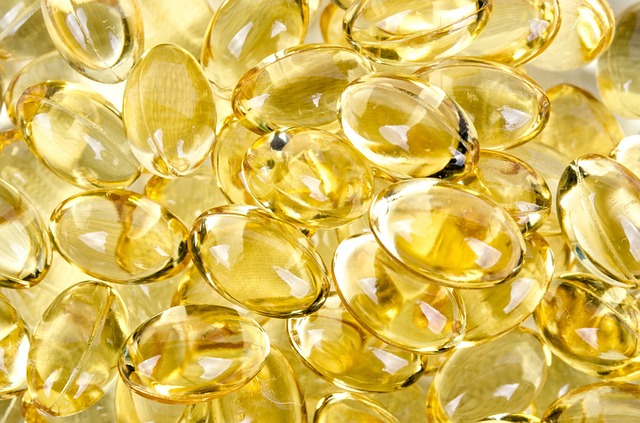
空氣品質差 吃魚油防過敏又補腦


春暖花開、萬物生長,加上東北季風影響,空氣中的花粉、塵蹣、灰塵等過敏原大幅增加,引起許多孩童出現各種過敏疾病,如過敏性鼻炎、異位性皮膚炎、結膜炎,甚至氣喘發作等情形。醫師建議,均衡飲食多攝取深海魚類,若有偏食或消化不良的幼童,則可補充魚油,有助降低過敏發生率。

開業小兒科醫師林應然指出,根據台北市衛生局統計,1985年幼童過敏性鼻炎的比例為7.84%,到2007年增加至50%,20年間飆升7倍之多,國內過敏兒愈來愈多。
林應然表示,過敏是一種全身性的疾病,包括過敏性鼻炎、異位性皮膚炎、蕁麻疹、過敏性結膜炎、氣喘,以及食物、藥物過敏等,多數患者合併多種過免疾病,且多發生於幼童。
如何預防幼童發生過敏?林應然指出,根據研究顯示,深海魚類如鮪魚、鯖魚、秋刀魚、鰻魚、沙丁魚等,含有豐富的DHA、Omega-3,是一種多鏈不飽和必需脂肪酸,必須從食物中攝取,除了有幫助腦部發育的功能外,對於過敏者也有特別的幫助,體內DHA含量足夠也較不會過敏。

林應然強調,均衡飲食可攝取足夠的DHA;若有偏食習慣、飲食不均衡、腸胃消化不好者,建議可適量補充魚油,不過,坊間的魚油不只包含DHA、Omega-3,還會添加維生素A、D等脂溶性維生素,攝取脂溶性維生素過量恐儲存在肝臟,反而有中毒的疑慮。

資訊來源: https://hk.news.yahoo.com/-080337618.html

2015年10月15日 星期四

Allergy Elimination Diet - 消除過敏飲食

Food allergies have received more attention in recent years, and it’s rare to find a food label without allergen information on it. However, people often have food allergies that they are not aware of, and are subsequently unable to defend themselves properly against them.

This can happen because allergies can develop over time, but many times this happens because the reactions are milder and we do not associate such reactions as being necessarily allergic—we think they are indigestion or skin irritation.
One way to identify a potential food allergy to commit to an allergy elimination diet, which limits the kinds of foods you eat to help isolate potential allergies that may be hiding in your food. While not something to be taken lightly, and best supervised by a physician, these elimination diets can be a way of protecting yourself from allergies that may otherwise go unidentified.
There are medical tests that can help determine particular food allergies, but there is no foolproof allergy elimination diet, but when done correctly, they can be a great way of isolating allergenic or intolerable foods.
Elimination diets are called food challenge tests for a reason—they form a process of trial and error which we stand to gain the most from when we are informed and careful about the process.
What the Diet Entails
When talking about allergy elimination diets (also known as food challenge tests), we need to make a distinction between diets in which the aim is to help reduce symptoms related to indoor/outdoor allergies and those diets that are for identifying most of the major food allergies people experience. Here we will be looking at the latter of the two and some general guidelines, or best practices, for people considering an elimination diet.
While there are many claims being made about various specialty allergy elimination diets (such as extended fasting or the “caveman” or raw/rare foods diet), to get the best results for your individual case, it is a good idea to get some professional guidance before starting any diet.
Risks and Considerations
It is important to always consult a physician about an allergy elimination diet, especially because there are some potential risk factors.
For one, there is some evidence to indicate that a prolonged elimination diet can cause more acute allergic reactions in some people. If you know you have certain food allergies and are starting to reintroduce foods back into your diet, you should do so under the supervision of a physician.
A physician can also help you plan around eliminated foods to ensure you are still getting the proper nutrition while on the diet. Sometimes we outgrow our allergies and sometimes we develop new ones as we get older, but with the proper medical guidance and careful attention to our diets, we can identify and manage our specific food allergies and enjoy our food without worry.
Starting the Diet
When starting an elimination diet, you will need to completely remove the food in question for at least two weeks, and sometimes maybe as long as two or three months.
Try to stick to simple dishes and preparations, and be careful with packaging and leftovers. This is particularly important early on in the process to prevent any cross-contamination. As you continue with the diet, pay close attention to any changes in your symptoms—if your symptoms improve, you may have found the allergenic food, but if they persist, than it is likely the eliminated food is not the cause.
If your symptoms improve, you can gradually begin to return the omitted food to your diet, though it is best to start with the simplest form of the food, to avoid other ingredients that may also cause a reaction. If the symptoms get worse, it is a good idea to start the test over again and remove the question food from your diet again in order to check against possible preparation or other conflicts. For example, maybe something fried will not sit as well and cause you not to feel well, and could be mistaken for an allergic reaction.
Keep a Food Journal
One thing that can be helpful in keeping track of the food you eat and any symptoms you may experience is keeping a journal or log of your food challenge test.
Write down everything you eat, trying to be as thorough and accurate about ingredients as you can (it is also a good idea to write down dates and times as well). Then keep track of the symptoms you experience, paying attention to how you feel in relation to what you eat. This information can be even more useful with a time and date.
As you proceed with your diet, say after three to four weeks, you will be able to monitor trends in your symptoms. A food journal is also a great resource for your physician to be able to review when you consult with him or her about your diet.
2015年10月12日 星期一

麩質過敏的症狀和不含麩質或含有麩質的食物有哪些?

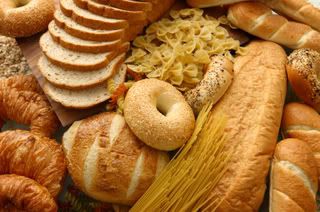
麩質過敏是一種自身免疫性的疾病,是永久性腸道對麵筋不能容忍。在腹腔疾病的人身上,發現免疫系統對麵筋反應異常,造成小腸炎症和腹腔疾病。所呈現的症狀,有些人可能會發生任何疲勞和貧血,胃腸脹氣和腹脹,腹瀉,便秘,噁心和體重減輕。但有些人是一種看似〝無症狀〞的,因為他們認為是生活中的平常事,而沒有明顯的感覺到症狀。 

麩質過敏症狀的人與腹腔疾病有許多關係,很多患有慢性疾病的人,很有可能是對麩質過敏,這些症狀的出現跟麩質有關,類似腹腔疾病,進而會影響大腦、腸道、皮膚。

想知道自己是否有麩質過敏?看看以下的這些症狀你有幾個? 或許,我幫你找到了長久以來困擾著你的答案: 
1.口腔潰瘍(潰瘍、生瘡)
2.嘴唇的嘴角總是裂縫、乾燥脫屑 
3.牙齒釉質缺損或變色 
4.頻繁的消化不良 
5.頻繁的放出惡臭氣體(屁) 
6.排出來的便總是惡臭或粘土色的糞便 
7.排出的糞便是脂肪瀉(浮動糞便) 
8.習慣性腹脹 
9.腹脹(類似小腹很難減) 
10.慢性腹瀉或便秘 
11.易怒或喜怒無常 
12.抑鬱症 
13.肌肉無力 
14.慢性疲勞(常覺得很容易精力不足) 
15.骨或關節痛(關節疼痛) 
16.不孕(流產,延遲進入青春期女孩,月經不調)
17.皮疹(濕疹、牛皮癬) 
18.皰疹性皮炎(皮疹與腹腔疾病) 
19.未能茁壯成長的嬰兒,身材矮小的成人 
20.周圍神經病變(刺痛或麻木的胳膊和腿)
21.平衡感失調(走路困難,平衡的問題,不協調的步行) 
22.重量變化(突然變重或爆瘦) 

如果你懷疑你可能有腹腔疾病,應該先去尋求你的醫生,做個血液測試和腸道超因波,並且, 一段時間戒斷含有麩質的飲食,測試自己經過這段時間後,是否變得比較快樂(因為症狀減輕)。 這個方法,可讓你了解對食物的敏感性,我們的免疫系統對食物的靈敏度會告訴你身體需要什麼樣的食物,甚至立即危及到生命。 當然,只要你仍然一直吃著有麩質的東西(經常或過量),妳就有可能會出現這些症狀。如果仍然出現症狀,你可能就必需完全戒斷掉含有麩質的東西。

 麵筋是小麥,黑麥,大麥和燕麥中發現的一種蛋白質,(關於燕麥包含的麵筋稱為Avenin,跟小麥,黑麥和大麥中發現的類型是不同的類型,有些製造燕麥的品牌若其處理過程未被污染到,在國外的品牌中會有腹腔協會的無麩質認證標誌、至於這是否適用於您,請尋求您的醫生的意見,每個人對麩質過敏的程度不同)

關於不含麩質或含有麩質的食物,到底有哪些?
★仔細閱讀食品標籤; 不要吃 任何包含以下穀物:小麥,黑麥和大麥。 
有一段時間, 燕麥 也有一些被認為含有麵筋(麩質)。因為經常在機器處理燕麥的同時,也處理了小麥。現在,大多數製造商已經不再這樣做,所以,只要有特別標示不含麩質的燕麥產品,就可以吃了。當然,你也可以詢問製造商的成份的說明,會更有保障。

可以吃 的不含麩質的澱粉食物:
玉米,馬鈴薯,水稻(米),大豆類,木薯,葛根,角豆(豆類),蕎麥,小米,莧菜籽和藜。 
蒸餾白醋 不包含麵筋。 
麥芽醋 不包含麵筋。

★穀物加工的食品中使用的許多成分,有可能隱藏著麵筋在裡面。當你看到食品成份標籤中有以下的成份時,可能意味著含有麵筋的產品。
*水解植物蛋白(水解植物蛋白)-除非是大豆或玉米製成就不含。
*麵粉 或 穀類 製造的食品,除非所使用的是純米粉,玉米粉,馬鈴薯粉或大豆粉 
*植物蛋白-除非大豆或玉米製成 
*麥芽 或 麥芽調味-除非來自玉米 
*澱粉 或 改良性澱粉食物-除非是用葛根,玉米,馬鈴薯,木薯,玉米或糯玉米製成  
*植物膠-除非使用卡羅伯豆,刺槐豆,纖維素,瓜爾豆,阿拉伯樹膠,樹膠 aracia,膠黃蓍膠,xantham或植物澱粉製成 
*醬油 或醬油膏,除非你知道它們不含有小麥

★下面是列出了各種食品有不含麵筋,和可能含有麵筋以及確實含有麵筋。
無麵筋(無麩質)
1. 益生菌,果糖和菊粉植物纖維
2. 洋蔥,大蒜,韭菜,耶路撒冷朝鮮薊,蘆筍,菊苣根,jicama,蒲公英,香蕉,龍舌蘭,果醬。
3. 奶和奶製品,奶油,人造奶油,植物油,起酥油,豬油:整體而言–低脂肪,脫脂,乾燥,蒸發,濃縮奶,牛奶,奶油,奶油,奶酪Velveeta食品,美國奶酪;所有的切達乳酪,瑞士,Edam和巴馬。
肉類或肉類替代品:
4. 100%,肉類(無添加麥劑),海鮮,家禽(麵包用純玉米粉,馬鈴薯粉或大米麵粉);花生醬,雞蛋,各種豆類或豌豆
5. 麵包和穀物: 奶油米;玉米麵,霍米尼;水稻;野生稻;無麩質麵條;水稻晶圓;純玉米粉圓餅,玉米,馬鈴薯,大豆,木薯,葛根,角豆,蕎麥,小米,莧菜和藜粉等所做的麵包。
6. 飲料: 茶,碳酸飲料(啤酒除外),果汁,礦泉水和碳酸水,酒,咖啡
7. 水果: 新鮮,冷凍,罐裝的水果或水果乾,所有的果汁
8. 蔬菜: 新鮮,冷凍或罐裝蔬菜,白,甜馬鈴薯,山藥
9. 小吃和甜品: 布朗和白糖,凝乳酶,水果糖,明膠,果凍,果醬,蜂蜜,糖漿,純可可,水果冰
10. 增稠劑: 明膠,葛根澱粉,玉米胚芽粉或麥麩,馬鈴薯粉,馬鈴薯澱粉麵粉;米糠麵粉,米粉,大豆粉,木薯澱粉,西谷米
11. 調味品: 無麩質醬油,蒸餾白醋,橄欖,鹹菜,番茄醬,鹽,胡椒,香草,香料萃取物,食用色素,丁香,生薑,肉荳蔻,肉桂,小蘇打,發酵粉,味精


可能包含麵筋(麩質):
1. 酸奶油,商業巧克力牛奶和飲料,非乳製品奶精,所有其他乳酪製品,酸奶。
2. 肉餡餅,肉罐頭,香腸,冷盤,熱狗,漢堡包,辣椒,商業煎蛋卷,souffles,乾酪,大豆蛋白肉替代品
3.包裝米混合,玉米餅,現成吃的穀類含有麥芽調味,沙拉醬,非乳製品奶精,蛋黃醬,餅餡水果,水果餡
4.蔬菜與醬料,蔬菜和商業準備沙拉,烤豆罐頭,醬菜,醃製蔬菜,商業的蔬菜
5. 蛋奶沙司,布丁,冰淇淋,冰,果子露,糖果,巧克力,口香糖,可可,薯片,爆米花,調味可可粉,啤酒,巧克力飲料,營養補充劑,飲料混合物
6. 商業用的湯,雞湯,湯混合物,boullion
7. 調味糖漿(淋冰淇淋的煎餅),蛋黃醬,辣根醬,沙拉醬,番茄醬,肉醬,芥末,塔科醬,咖哩調味粉,調味粉,肉類萃取物。


確實含有麵筋(麩質)
1. 小麥,大麥,黑麥,燕麥(見上面提到的註1)
2.丸子,麵包或麵包屑做出的麵包魚,雞肉餅,肉類,肉餅,肉丸,比薩,餛飩,任何肉類或肉類替代品
3. 麵包,饅頭,麵包,餅乾,鬆餅,餅乾和穀類食品含有小麥,小麥胚芽,燕麥,大麥,黑麥,麩皮,格雷厄姆麵粉,麥芽,卡沙,matzo,麵包屑,糕點,比薩餅麵團,麵條,義大利麵,通心粉及其他麵食;餃子,餅乾,華夫餅乾和薄煎餅,麵包餡
4. 小麥,黑麥,燕麥做的奶油或麵包蔬菜,吐司麵包,蛋糕,餅乾,麵包圈,糕點,餃子,冰淇淋筒,餡餅,蛋糕,餅乾混合物準備,餅乾,麵包布丁
5. 阿華田,麥芽含飲料,cocomalt,啤酒,麥芽酒
6. 湯塊,小麥澱粉,所有的麵粉含有小麥,燕麥,黑麥,麥芽,大麥或格雷厄姆麵粉的通用麵粉,白麵粉,小麥粉,麩皮,餅乾粉;達勒姆麵粉,小麥胚芽。
7. 合成辣椒,啤酒酵母,酵母提取物(含大麥)麥芽飲料

資訊來源: http://www.saladblog.com.hk/read.php?id=12605

2015年10月10日 星期六

食物敏感 飲食手記

食敏Vs不耐症
食物為身體帶來營養,也有機會帶來紅腫、痕癢、肚瀉等不適症狀!食物敏感及食物不耐症都是患者吃了某些食物之後出現一些不適症狀,但兩者其實有分別。高級營養師解釋,食物敏感的成因是身體免疫系統抗拒某些食物蛋白,若進食了該些食物,免疫系統就會攻打這些食物蛋白,其實就是「打錯仗」。打仗時免疫系統會釋出「組織胺」這種物質,會令患者身體出現紅、痕癢、腫等情況。食物敏感患者每次吃致敏食物都會發病,發病的時間很快,短至數分鐘或兩小時都有可能。
 
相反,食物不耐症的患者是身體「唔受得」某些食物,並非因為免疫系統「攻打」食物蛋白,而且吃較大量才會有徵狀,例如乳糖不耐症的患者,喝牛奶後會肚瀉是因為身體沒有足夠酵素而未能完全消化乳糖,導致肚瀉,這就與牛奶敏感患者喝牛奶後會出紅疹等情況不同。
 
你有這些「不耐」嗎?
最「出名」的不耐症可算是乳糖不耐症,但其他的一些物質都有機會令身體受不了,但食物不耐症要大量吃才有徵狀而且難以界定,加上不少人對此症的警覺較低,或會抱著「間中肚疴很閒,疴完就無事」等心態,所以當你有不適時,不妨想想你之前有否吃過、用過以下的「不耐」高危食物或用品呀!
 
組織胺不耐症
  • 高危食物:醃製食物(例如:芝士、醬料)
  • 常見徵狀:痕癢、出疹、類似過敏症的反應
化學物或添加劑不耐症
  • 高危食物:加工食物、包裝食物、味精
  • 常見徵狀:頭頸痛、呼吸困難、痕癢、鼻敏感
小麥蛋白不耐症
  • 高危食物:啤酒、麫包、早餐穀物、蛋糕
  • 常見徵狀:有肚風、胃氣、肚痛、肚瀉
果糖不耐症
  • 高危食物:部份水果、蘋果、啤梨、蜜糖、甜飲品、蜜糖
  • 常見徵狀:肚瀉
水楊酸不耐症
  • 高危食物或用品:莓類、葡萄、番茄醬、咖喱粉、酒精類及化妝品
  • 常見徵狀:哮喘

資訊來源: http://health.popart.hk/newver/newsinfo.php?pid=2858&title=%E9%A3%9F%E7%89%A9%E6%95%8F%E6%84%9F%20%E9%A3%B2%E9%A3%9F%E6%89%8B%E8%A8%98

2015年10月8日 星期四

21 Homemade Baby Food Recipes - 21個自製嬰兒食品食譜

Is Your Baby Ready for Solids?
The American Academy of Pediatrics recommends waiting until 6 months to start solid foods, but it is possible to start as soon as 4 months as long as certain developmental stages have been reached. According to a study released by the Journal of Allergy and Clinical Immunology, babies who started eating solid foods at 4 months old had a reduced risk of allergies and asthma. It is most important that the baby can sit upright, hold their head up, and shows signs of interest in solid food. Once you’ve gotten the okay from your child’s pediatrician, you’re ready to bring on baby’s first foods!

A Few Things to Keep in Mind
New eaters only need about 1 to 2 tablespoons of a food, so keep portions small.

Be on the lookout for allergies, especially when feeding your child foods that contain common allergens.

Common Allergens


Be cognizant of foods that can cause gas. Onions, beans, wheat, dairy, and cruciferous vegetables can potentially make your baby uncomfortable. You may want to wait until your baby is a little older (8 to 10 months) to introduce these items.

Go organic, wild, pastured, and grass-fed whenever possible. If your budget doesn’t allow you to go 100 percent organic, try to at least buy organic when using anything on the Dirty Dozen list. This includes:

apples
peaches
nectarines
strawberries
grapes
celery
spinach
sweet bell peppers
cucumbers
cherry tomatoes
snap peas (imported)
potatoes
Most of all, don’t forget to have fun!

4 to 6 Months Old
When your baby is 4 to 6 months old, you will want to use simple, single-ingredient purées. This can help you to spot and identify a food allergy. Once you have proven your child’s tolerance to individual foods, you can try combinations to enhance flavor and likeability.

1. Pea Purée


Peas are a small yet mighty source of nutrition, packing Vitamins A and C, iron, protein, and calcium. If the skin of the peas makes the texture less appealing for your child, make sure to strain them to make it as smooth as possible.

View the recipe.


2. Banana Purée
Often called a “perfect” food, bananas are rich in potassium and fiber. Bananas are also known as one of nature’s own antacids and are very gentle on the stomach. Although bananas are one of the best first foods for babies, be careful not to overdo it. Too much banana can cause constipation.

View the recipe.


3. Baby Brown Rice Cereal
Rice cereal is one of the most common foods to introduce because it is non-allergenic and easily digested. Mixing it to a fairly thin texture can help babies make the transition from an all-liquid diet to a more solid one. This same process can be applied to steel cut oats.

View the recipe.


4. Avocado Purée


This buttery treat is a wonderful “good fats” food for baby’s brain and physical development. Plus, the creamy texture of perfectly ripe avocado is one that babies seem to love. To help prevent browning, put the avocado pit in the puree when refrigerating.

View the recipe.


5. Baked Sweet Potato Purée
In-the-know adults eat sweet potatoes for their health benefits. Sweet potatoes are loaded with vitamins, antioxidants, and fiber, so it makes sense that your baby can benefit from this delicious tuber, too. A simple purée with a touch of water or milk makes for a yummy and nutritious first food.

View the recipe.


6. First Carrots Purée
Carrots are a wonderful introduction to solids because of their naturally sweet taste and pleasant texture. This simple preparation of carrots provides a rich supply of the antioxidant beta carotene and vitamin A.

View the recipe.


7 to 9 Months Old
For a 7- to 9-month-old baby, you can make thicker purées with multiple ingredients. Remember to introduce one new ingredient at a time and combine foods that you know baby is not allergic to. You can also add meat and other proteins at this stage.

7. Pumpkin Thyme Purée
This easy and elegant seasonal recipe is full of beta carotene, potassium, and iron. Make a big batch and freeze it in ice cube trays for single-portion servings for later!

View the recipe.


8. First Spinach with White Yams
This simple combination of spinach and yams adds a healthy dose of calcium, iron, vitamin A, and folate to your baby’s diet. The yams add a touch of sweetness to create a pleasant introduction to greens.

View the recipe.


9. Beets and Blueberry Mash
Not only is this blend a beautiful shade of magenta, it’s also a nutritious combination of antioxidants, vitamins, and fiber. You can also mix this purée with a little cereal for a delicious breakfast for baby.

View the recipe.


10. Avocado and Banana Baby Food
This is a pairing of two wonderful foods: avocados (good fats and fiber) and bananas (potassium and vitamin C). The banana also adds a bit of sweetness and lightens up the usually dense avocado purée. Nix the sugar, and stick with the natural sweetness of the ingredients themselves for young babies.

View the recipe.


11. Veggies and Sole Purée
Potatoes, carrots, peas, and fish make for a delicious combination that’s ready to eat in under eight minutes. Vegit is a seasoning ingredient in this recipe which can also be subbed for Mrs. Dash, another low-sodium seasoning. This is a great, simple introduction to fish for your baby.

View the recipe.


12. Butternut Squash and Pear Purée
Butternut squash is a great ingredient because it rarely causes allergies. Pear adds an additional touch of sweetness to this recipe.

View the recipe.


13. Papaya Purée
Papayas have a higher acidity than a lot of other fruits, so it’s best to wait until your baby is 7 to 8 months old to introduce this fruit. The enzymes in papaya (and in pineapple) aid digestion, so this is a perfect food to help relieve your baby’s constipation or tummy troubles.

View the recipe.


9 to 12 Months Old
At 9 to 12 months old, your baby can enjoy chunkier purées and mashes. You can also add whole milk and dairy, such as cheese or yogurt, to their foods. At this stage, many babies can even advance to adult food and complex combinations, finely minced or softened.

14. White Fish, Carrot, and Leek Purée


This purée combination is a savory, brain-boosting powerhouse. White fish contains omega-3 fatty acids that help boost development of baby's central nervous system. Leeks provide cardiovascular support and carrots are loaded with antioxidants.

View the recipe.


15. Quinoa Ratatouille
Baby’s first French classic couldn’t be tastier! Traditional ratatouille ingredients meet the super grain, quinoa, in a delightful “gourmet” purée.

View the recipe.


16. Baby Beef Stew
This baby-friendly version of a classic comfort food is full of iron, thanks to the beef. The recipe requires a little more prep time than other baby food recipes, but your house will smell amazing.

View the recipe.


17. Raw Baby Purée of Blueberries, Mango, Avocado, and Mild Chiles


Another nutrient-dense combination, this recipe combines creamy avocado, tangy mango, blueberries, and the interesting addition of mild green chilies!

View the recipe.


18. Creamy Provencal Chicken
This dish incorporates Herbes de Provence, a mild blend of spices that can help introduce your child to more exciting flavors, without the addition of salt.

View the recipe.


19. Quinoa Banana Mash
Quinoa is a protein-packed grain that makes a great addition to your growing baby’s diet. This adds an exciting new texture to the banana mash, an ingredient that your baby probably already loves. Also, try serving cooked quinoa by itself to your baby. The cooked seeds stick to baby’s fingers, which makes it an easy food to eat.

View the recipe.


20. Cherry and Mint Greek Yogurt Baby Food Purée

This homemade cherry purée is a delicious topping for the yogurt base. Make sure to use full-fat, organic yogurt!

View the recipe.


21. Apricot and Banana Food with Cinnamon
Spice things up in baby’s diet with a dash of cinnamon. For a great breakfast, try adding this purée to a bit of cereal or cooked oatmeal, which can also make a great breakfast.

View the recipe.


Source: http://www.healthline.com/health/childrens-health/homemade-baby-food-recipes#10