2015年10月31日 星期六

辨清敏感源 有機食物能否防敏感?

濕疹可以很折磨人,除了痕癢難耐,若發生在嬰兒身上,孩子更會因皮膚痕癢睡不安寧,造成一家困擾。然而有機食物有抗氧化物,可增強免疫力,有部分家長為避開食物敏感,會為子女選擇有機食物,不過有兒科醫生指出,如果孩子對某種食物有敏感反應,不論是否選用有機食材也會致敏,最好的方法是避開敏感源。

香港浸會大學香港有機資源中心早前的調查顯示,有六成三的家長會為患有敏感的子女購買有機食品讓他們食用,期望讓他們進食以自然、不受化學污染、無添加、無基因改造、無化學農藥的有機食品,減少小朋友接觸有害物質,防患未然。但是否真的如他們所願?

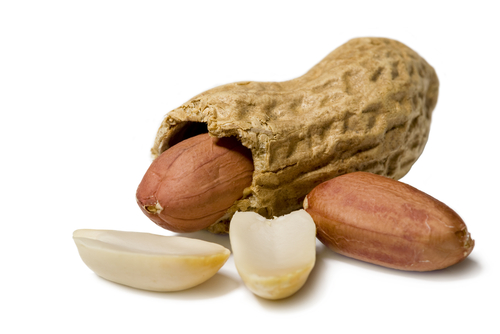
兒科專科醫生梁淑芳表示,食物敏感大致可以分「即時性食物敏感」以及「延遲性食物敏感」,「即時性食物敏感」是當食用了致敏食物後,會立即出現不適,例如對花生敏感的人士吃過含花生的食物後便全身紅腫,嚴重的會不能呼吸或是休克。

至於「延遲性食物敏感」,就是吃了致敏的食物後,可能會在數天或是數星期後敏感才發作,就如「嬰兒濕疹」,嬰兒出生時已開始食嬰兒配方的奶粉,然而到六至八星期後,濕疹才在身上出現。至於餵哺母乳的嬰兒,若母親曾進食牛奶、雞蛋和小麥等令嬰兒致敏的敏感源,部分嬰兒也會於兩至三個月後出現濕疹。

有機奶同樣可致敏
梁醫生續表示,很多人都認為濕疹很難斷尾,不過患者若能在飲食上作出改變,會大大增加治癒的機會,而最好緩解濕疹的方法就是遠離敏感源。她建議濕疹患者若完全戒絕牛奶、雞蛋及小麥,效果會很顯著。

梁醫師又表示很多家長有誤解,以為對牛奶有敏感的孩子轉食有機奶粉便可以避開敏感症,其實吃有機奶粉並不能緩解敏感症兒童的病情,因為如果孩子對某種特定的食物敏感,即使孩子食用有機的牛奶,孩子仍會出現敏感症狀,正確的做法是轉食低敏感奶粉或無敏奶粉,敏感病情才會好轉。

有機食品增免疫力
如此的話,進食有機食品是否無助孩子的健康呢?梁醫生解釋說:「患有過敏症的兒童主要是免疫系統出問題,家長可從加強孩子的免疫系統功能着手,而有機蔬菜含抗氧化物,有助加強兒童免疫系統,且種植的過程中受到的污染(如化學劑、農藥、除草劑及土壤污染)較少,可減低對孩子免疫系統的傷害性,減少其他因免疫力問題引發的過敏反應,故也鼓勵父母為患過敏症的兒童選擇有機的蔬菜和五穀雜糧。」

浸會大學香港有機資源總監黃煥忠教授亦指,雖然目前並未有正式科學研究證實食有機食品能直接對敏感症有一定幫助,但現時並沒方法根治食物敏感症,然而因有機食物無基因改造成分,進食經嚴格監管的有機食品,可減少接觸農藥、色素及添加劑等化學物質,減低食用這些化學污染物的傷害,有助為食物敏感人士築起一道保護防線。

資訊來源: 

2015年10月29日 星期四

Allergy Ingredients - 過敏成分

Allergy-Friendly Ingredients: Easy Substitutions for Meals and Treats

Food Allergy Substitutions Made Easy
Sometimes, people with food allergies and sensitivities feel left out, longing for a classic treat or itching to try a new recipe. But with a few substitutions, it’s possible to make delicious dishes that are free of major allergens, such as peanuts, tree nuts, milk, egg, soy, and wheat. Follow our tips for simple food allergy substitutions – and start enjoying safe and delicious meals today!

Replacing Peanuts and Tree Nuts
Peanuts and tree nuts—such as almonds, hazelnuts, cashews—are two of the most common food allergens, according to Food Allergy Research & Education (FARE). Both peanuts and tree nuts are used to add crunch to baked goods, salads, and stir-fries. Enjoy the same crispy textures without the nuts by swapping in sunflower or pumpkin seeds instead. This is especially delicious if you lightly toast them first. You can also use sunflower or pumpkin seed butter as a substitute for peanut butter in cookies, sandwiches, and Thai-style peanut sauces. Check the specialty aisle of grocery stores for seed products labeled as peanut- and tree nut-free.

Replacing Milk
Milk allergy can be a very serious condition, warns FARE. Lactose intolerance is a milder condition, but it can still cause people discomfort. If you have milk allergy or lactose intolerance, you can look for dairy-free milk substitutions at the grocery store. These may include rice, oat, soy, or almond beverages.  Many of those food allergy substitutions taste great, sipped cold from the glass or added to baked goods. You can also look for dairy-free butter alternatives, such as allergy-friendly margarines, in the specialty aisle of grocery stores.

Replacing Egg
Eggs add structure to many dishes, as well as protein and flavor. But don’t settle for limp cookies and flat muffins just because you have an egg allergy! Start exploring the egg substitutions recommended by Allergic Living, such as mashed banana or blended tofu. Unfortunately, some of those substitutions won’t work for egg-focused dishes, like quiche. Instead, look for special recipes designed with allergic diners in mind.

Replacing Soy
Soy sauce adds protein, savory depth, and saltiness to many Asian-style recipes. If you have soy allergy or sensitivity, skip the soy sauce and add concentrated beef or mushroom broth instead. Remember to opt for low sodium options. If you eat meat, swap tofu for chicken in stir-fries, stews, and kebabs. If you’re a vegetarian, substitute cubes of parboiled potatoes or cooked white beans (e.g., cannellini) instead. Those dense, savory ingredients will give your meal substance and flavor.

Replacing Wheat
Wheat is ground into flour, which is used in most North American baked sweets, breads, and pastas. It can be tricky to replace with a one-to-one substitution. So if you have a wheat allergy or gluten intolerance, use a blend of wheat-free flours, recommends Living Without. For example, a mix of brown rice flour, tapioca flour, and cornstarch may be the perfect base for your next batch cookies.

Seeking Support
If you have multiple food allergies or sensitivities, it can be difficult to find allergy-safe ingredients and recipes. FollowKids with Food Allergies’ advice and visit a qualified dietitian who specializes in food allergies and sensitivities. Ask them how you can enjoy a wider variety of foods and meet your nutrition needs, while avoiding your allergens. Sometimes, a little support is all you need!

Care and Caution
When it comes to food allergies, there is no substitute for care and caution. The Living Confidently with Food Allergy Handbook recommends reading food labels every time you buy a product, even if you have eaten it before. If you have a serious food allergy, avoid products that list your allergen in the ingredient list or “may contain” warning. And never eat without your emergency medicine (i.e., epinephrine auto-injector) on hand. With a little bit of extra care, you can enjoy delicious, nutritious, worry-free meals every day of the week. 

Source: http://www.healthline.com/health/allergy-ingredients#2

2015年10月26日 星期一

常見過敏


通常使人發生過敏性疾病最多的是哮喘、枯草熱、蕁麻疹和皮膚疹。 
普通疾病是由於細菌或者病毒所傳染,但過敏性疾病,則可能由一般物質所引起。 
對於某些人來說,他們是因為吃了對自己身體有過敏性反應的東西,而得到過敏性疾病。 
也有些人由於接觸到某些物質而產生過敏性反應,另外一些人,可以由呼吸方面引起過敏性反應。 

☆生活在都巿中的人,有不少人患哮喘,最常見的原因是對於冷空氣、塵土、煤氣、動物的皮毛、某些化粧品,特別是一些花粉發生過敏性反應。 

☆另一種常見的過敏性疾病為枯草熱,這種疾病的發生是由於人體對於禾木科植物的花粉,產生過敏性反應,這種花粉可由風吹到各處,使具有過敏性的人發生各種病狀,包括鼻部不適,有灼熱的感覺,此外,雙目還會發炎、流鼻水、打噴嚏、流眼淚、並且也會發生哮喘。 

☆另一種常見的過敏性疾病為蕁麻疹,這是由於某些外來的刺激,使皮膚發生過敏性反應,使皮膚上產生一如蜂巢般的疹、腫脹、痕癢。如蝦、蟹、螺等就會引起蕁麻疹。光、寒冷、熱氣、日光、昆蟲、刺咬、或者碰及毛蟲,飛蛾等,也會發過敏性皮膚反應。 

◎治療 
首先要找出發生過敏性的原因,才能對症下藥。 
在飲食方面-可以吃有助於抵抗過敏性的食物,其中以維他命C的功效最大,因為維他命C係一種抗壞血病的鹽酸,能以氧化的作用,來消除使人發生過敏性反應的物質,由於維他命C不易在體內保存,時時會由尿中排出,因此,唯有時時攝取維他命C,才能使體內保持有足夠抗壞血的鹽酸,增加對過敏性反應的抵抗力。 
此外,維他命Α有增強皮膚上細胞和粘內壁的功用,對於的皮膚過敏性的預防,是有一定的效果的。 

    患過敏性病症的人,不宜用冷水沐浴或吃冷品,因為冷水或冰品,會使器官組織發生收縮作用,這樣就會增加身體的過敏性反應。

資訊來源: http://www.isu.edu.tw/upload/04/7/files/dept_7_lv_3_382.doc

2015年10月24日 星期六

MSG Allergies - 味精過敏

Overview
Monosodium glutamate (MSG) is used as a flavor-enhancing food additive. It can have a bad reputation, as many believe it can cause allergy-like symptoms and side effects.

However, much of the evidence has relied on anecdotes and limited clinical studies. So what's the truth about MSG? Is it really as bad as it's been made out to be?

Evidence
Despite concerns, decades of research have failed to demonstrate a relationship between MSG and serious reactions for most people. People have reported reactions after eating foods with MSG, but researchers have been unable to scientifically prove the allergy.

In 2014, Clinical Nutrition Research did present a link between MSG and allergy reactions in a small subset of people who suffer from chronic hives. However, the majority of these reports involve mild symptoms, such as:

tingling skin
headache
a burning sensation in the chest
Larger doses of MSG have been found to cause symptoms. But those portions are unlikely to be found in restaurant or in grocery store food. After reviewing the evidence in 1995, the U.S. Food and Drug Administration (FDA) put MSG in the same "generally recognized as safe" category as salt and pepper. A 2009 review published in the journal Clinical & Experimental Allergy came to a similar finding.

The exception to the safety of MSG is more questionable in children. A 2011 study in Nutrition, Research and Practice revealed a link between MSG and children with dermatitis. However, further research is warranted to make a definitive statement about this connection.

Symptoms
Those sensitive to MSG may experience:
headache
hives
runny nose or congestion
mild chest pain
flushing
numbness or burning, especially in and around the mouth
facial pressure or swelling
sweating

More serious symptoms may include:
chest pain
heart palpitations
shortness of breath
swelling in the throat
anaphylaxis

Your doctor may ask if you’ve eaten any food containing MSG within the last two hours if they suspect you have a MSG allergy. A rapid heart rate, abnormal heart rhythm, or a reduction of airflow to the lungs may confirm a MSG allergy.

Treatment
Most allergic reactions to MSG are mild and go away on their own. More serious symptoms, such as anaphylaxis, require emergency treatment in the form of a shot of epinephrine (adrenaline).

Call your doctor and go to the nearest emergency room immediately if you experience one of the following symptoms:

shortness of breath
swelling of the lips or throat
heart palpitations
chest pain

The best treatment for a food allergy is to avoid eating that food. However, MSG is a prominent ingredient in many different types of food. According to the U.S. Department of Agriculture, MSG is found in virtually all food. It’s found in high doses in food that is high in protein, such as:

meat
poultry
cheese
fish

Labeling is only required when MSG is added as an ingredient. In those cases, it will be listed as "monosodium glutamate."

People with a true allergy to MSG should avoid packaged and processed foods. Instead, opt for raw foods including fruits, vegetables, and organic meats instead. Other substances to avoid include:

dried meats
meat extracts
poultry stocks
hydrolyzed protein, which may be used as binders, emulsifiers, or flavor enhancers
Food labels may refer to these products as "dried beef," "chicken stock," "pork extract," or "hydrolyzed wheat protein."

Outlook
A very small part of the population has a reaction to MSG. Most of those reactions are typically mild. Try avoiding the foods listed above if you suspect an MSG allergy. There’s a good chance that you’ll only experience mild discomfort even if you eat foods containing MSG.

It would be prudent for children and adults with complex medical histories to limit consumption of MSG until further research can confirm safety.

Your doctor may put you on a strict avoidance diet and prescribe an epinephrine shot if you’ve experienced severe reactions.

Source: http://www.healthline.com/health/allergies/msg#Overview1

2015年10月22日 星期四

新生兒食用花生 可降低過敏風險

父母常會詢問是否該讓他們的孩子食用花生製品,對於這個問題的答案常莫衷一是。然而《新英格蘭醫學》期刊(The New England Journal of Medicine)近來發表一篇研究,指出在新生兒早期食用花生製品將可有效降低花生過敏風險。

研究人員挑選4~11月大且具有對花生過敏高風險的新生兒,將他們隨機分派至兩個組別,一組定時食用含有花生成分的食品;一組則完全不食用任何花生製品,這項實驗持續進行至孩童五歲大後測試過敏反應,發現定時食用花生製品的孩童組別對花生較不易過敏。英國倫敦國王學院萊克教授(Dr. Gideon Lack)談到,防止新生兒攝取花生製品可能會提高過敏風險。

美國兒科學會(The American Academy of Pediatrics)曾於2000年所發表的指導方針中建議,孩童在滿三歲前都不應食用花生以避免產生過敏反應。但2008年時,此學會改變立場,闡述目前並無有力的證據顯示——避免新生兒食用特定食品能夠幫助防止過敏發生。

萊克教授與其同事曾於2008年發表一篇論文,發現以色列孩童對花生過敏的比率只有英國猶太孩童的十分之一。他們得到的最佳解釋為,以色列孩童在滿一歲以前食用了較多的花生蛋白質,然而英國父母則避免了相關食物的攝取。其他研究也發現早期食用會引發過敏的食物可能會降低過敏風險。但是這一類的觀察報告並不十分可靠,原因是有可能仍存在其他不明因素而導致了結果上的差異。

然而這次的研究採用隨機抽樣,使兩組孩童間唯一的差別在於是否食用含有花生蛋白質的製品。此研究在美國國家衛生研究院與其他組織監督下,在實驗進行前,這些4~11個月大的新生兒已經確認對蛋製品過敏或得過濕疹,被認定有高風險會對花生過敏,並已接受皮膚點刺測試(skin-prick test),若被判定已對花生過敏則會屏除於實驗外。

530位參與實驗的新生兒在一開始都尚未對花生過敏。半數的家長被告知須避免給孩子食用花生。另一半孩童的家長則必須每周定期讓孩子食用至少六克的花生,當這些孩童滿五歲時,便會再進行一次過敏測試。結果僅有 1.9%定期食用花生的孩童產生過敏反應;相對的,避免食用花生的組別則有 13.7% 對花生過敏。有另外98名新生兒在實驗初期就已具有輕微的花生過敏反應。他們同樣在滿五歲時接受測試,結果定期食用含有花生成分的組別只有10.6%產生過敏,未食用任何花生製品的組別則高達35.3%。

現在仍不清楚同樣的策略能否適用於其他的食物。醫師則建議,在讓幼童食用花生製品前,仍應先接受過敏測試,審慎評估過敏風險以防意外發生。

資訊來源:http://scitechreports.blogspot.hk/2015/05/blog-post_22.html

2015年10月19日 星期一

Allergic Asthma - 過敏性哮喘

What is Allergic Asthma?
If you ever have trouble breathing during allergy season, you may have allergic asthma. Allergic asthma is asthma caused by an allergic reaction. It is also called allergy-induced asthma.

People with allergic asthma usually start feeling symptoms after inhaling an allergen such as pollen. The Asthma and Allergy Foundation of America reports that more than half of asthma sufferers have allergic asthma. Allergic asthma is treatable in most cases.

Causes
People develop allergies when their immune system overreacts to the presence of a harmless substance. This substance is known as an allergen. Common symptoms of allergies include itching and swelling. However, some people may also develop breathing problems from inhaled allergens. This is known as allergic asthma. It occurs when the airways swell as part of an allergic reaction.

In general, only inhaled allergens cause allergic asthma. Some allergens which can cause this condition include:
pollen
pet dander
dust
Cockroaches, milk, fish, shellfish, eggs, peanuts, and tree nuts can also cause allergic asthma. However, an asthmatic reaction to these allergens is less common.

Symptoms

Symptoms of allergic asthma are the same as symptom of regular asthma. They include:
wheezing
coughing
chest tightness
rapid breathing
shortness of breath

If you have hay fever or skin allergies to the allergen causing your asthma, you might also experience:
itchy skin
rash
flaky skin
runny nose
itchy eyes
watery eyes
congestion

If you swallowed the allergen, these symptoms might be present as well:
hives
swollen face or tongue
tingly mouth
swollen mouth, throat, or lips
anaphylaxis (severe allergic reaction)

Diagnosis
Skin prick tests are commonly used to check for allergies. Your doctor will poke your skin with a needle containing a small amount of allergen. After 20 minutes, your skin will be checked for red bumps. These bumps are the sign of an allergic reaction.

Additional tests may be used to check whether your allergies are accompanied by asthma.

Spirometry measures the amount of air you inhale and exhale. This test looks for narrowing in the bronchial tubes of your lungs.

Peak Flow measures air pressure as you breathe out. This is a simple test of lung function.

Lung function tests check whether your breathing improves after you use an asthma medication (bronchodilator). If this medication improves your breathing, you probably have asthma.

Treatment
Treating allergic asthma can involve treating the allergy, the asthma, or both.

To treat your asthma, your doctor may prescribe two inhalers. The asthma inhaler is used to prevent asthma. The fast-acting relief inhaler is used to treat asthma symptoms.

Allergy treatment depends on the severity of your symptoms. You may need an antihistamine to deal with classic allergy symptoms such as itching. You might also need allergy shots if your symptoms are more severe.

Complications
Allergic asthma can have serious complications. One such complication is anaphylaxis. This type of severe allergic reaction may have symptoms such as:

hives
mouth or facial swelling
difficulty swallowing
anxiety
confusion
cough
diarrhea
fainting
nasal congestion
slurred speech
slurring
Untreated anaphylaxis can be life-threatening. It may cause problems such as an abnormal heart rate, weakness, low blood pressure, rapid pulse, cardiac arrest, and pulmonary arrest.

Prevention

Allergic asthma attacks are not always preventable. However, you may be able to make them less common by changing your environment.

At Home
Dust and vacuum regularly and use a HEPA filter. This can reduce the number of allergens in your environment.

Keep your windows and doors closed when pollen counts are high. Pollen is a common allergen. It triggers asthma-like symptoms in people with hay fever. If pollen makes you wheeze, see your doctor.

Don’t use an air conditioner or fan that smells like mold. Purchase new appliances if necessary. Mold can trigger asthma and allergy symptoms. It is also potentially life-threatening when inhaled. Remove any traces of mold from your walls or floors using a mold-removing cleaner.

Additional Measures
Use a dehumidifier or air conditioner if the humidity in your home gets above 40 percent.
Avoid keeping animals indoors if you have pet allergies. With severe allergies, you may need to avoid animals completely.

Clean and disinfect your kitchen and bathroom to prevent cockroaches.
Wear a HEPA mask when you garden. This can help you avoid inhaling pollen or mold.

Source: http://www.healthline.com/health/asthma/allergic-asthma#Causes2

2015年10月17日 星期六

空氣品質差 吃魚油防過敏又補腦


春暖花開、萬物生長,加上東北季風影響,空氣中的花粉、塵蹣、灰塵等過敏原大幅增加,引起許多孩童出現各種過敏疾病,如過敏性鼻炎、異位性皮膚炎、結膜炎,甚至氣喘發作等情形。醫師建議,均衡飲食多攝取深海魚類,若有偏食或消化不良的幼童,則可補充魚油,有助降低過敏發生率。

開業小兒科醫師林應然指出,根據台北市衛生局統計,1985年幼童過敏性鼻炎的比例為7.84%,到2007年增加至50%,20年間飆升7倍之多,國內過敏兒愈來愈多。
林應然表示,過敏是一種全身性的疾病,包括過敏性鼻炎、異位性皮膚炎、蕁麻疹、過敏性結膜炎、氣喘,以及食物、藥物過敏等,多數患者合併多種過免疾病,且多發生於幼童。
如何預防幼童發生過敏?林應然指出,根據研究顯示,深海魚類如鮪魚、鯖魚、秋刀魚、鰻魚、沙丁魚等,含有豐富的DHA、Omega-3,是一種多鏈不飽和必需脂肪酸,必須從食物中攝取,除了有幫助腦部發育的功能外,對於過敏者也有特別的幫助,體內DHA含量足夠也較不會過敏。

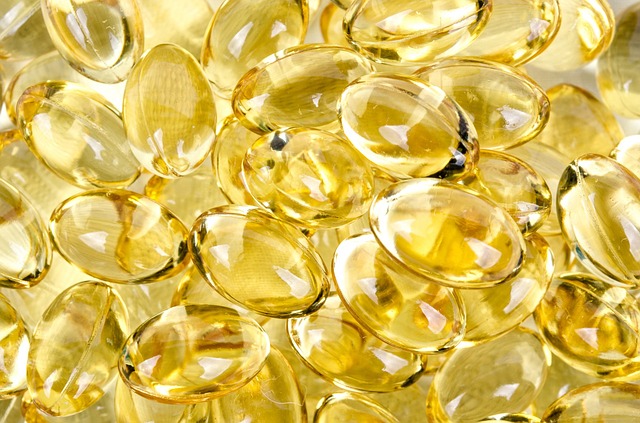
林應然強調,均衡飲食可攝取足夠的DHA;若有偏食習慣、飲食不均衡、腸胃消化不好者,建議可適量補充魚油,不過,坊間的魚油不只包含DHA、Omega-3,還會添加維生素A、D等脂溶性維生素,攝取脂溶性維生素過量恐儲存在肝臟,反而有中毒的疑慮。

資訊來源: https://hk.news.yahoo.com/-080337618.html